
Framing Accessibility: How Art and Advocacy Intersect
As an artist living with disabilities, I’ve come to understand that creativity isn’t just expression — it’s navigation. Photography gives me structure and rhythm. The tactile motion of adjusting the lens and the quiet anticipation before the shutter clicks help me find focus in more ways than one. Over time, that process becomes muscle memory — slow to build, but deeply grounding once it’s there.
Working with disabilities sometimes means the world moves faster than your processing speed — no pun intended. But like film, some of us just develop better in the darkroom. It takes patience, care, and the right conditions for our work — and ourselves — to come into full view.
Invisible disabilities can make participation harder to see and harder to sustain. That’s why accessibility isn’t just about accommodation — it’s about equity. It’s about ensuring that everyone, regardless of ability, has the time, tools, and trust to create, contribute, and be understood without needing to justify their pace.
In workplaces, that’s often where the challenge begins. When a disability isn’t visible, accommodations can become negotiations — and too often, they’re treated like concessions instead of necessities. The process to “prove” need can be exhausting, and without clear understanding or consistent policy, the very systems meant to support inclusion can instead deepen isolation.
True accessibility means being able to disclose without fear — without being penalized, sidelined, or stunted in professional growth. It means building environments where openness is met with understanding, not skepticism; where career advancement and support are not mutually exclusive. Fairness means more than policy compliance; it means communication, flexibility, and trust. It means finding the right time and balance so that accommodations work for everyone involved — employees and employers alike.
Labour reform has a long way to go in recognizing that accessibility is not a single moment or form, but an ongoing process. The power dynamic between workers and employers remains uneven, especially when disclosure risks misunderstanding or stigma. Third-party medical assessments — often required before accommodations are approved — can delay support, add unnecessary pressure, and create a financial burden for workers already navigating barriers. These assessments are not always necessary, and for many people with learning disabilities, they’re not even accessible: such diagnoses often fall outside a general practitioner’s scope and require time, referrals, and scarce specialized resources.
True reform would strengthen protections, simplify accommodation procedures, and emphasize accountability — ensuring that inclusion isn’t left to interpretation or goodwill but built into the framework of work itself.
The Sudbury Workers Education and Advocacy Centre plays a crucial role in that transformation. Through education, outreach, and advocacy, SWEAC ensures that accessibility isn’t treated as an afterthought but developed as an essential part of workers’ rights and community inclusion — part of the full picture, not left undeveloped.
Art and advocacy share the same lens: both ask us to look closer. One finds truth in light and shadow; the other brings what’s overlooked into focus. And just like film, when people are given the time they need to develop, the results can be extraordinary.
About the Author
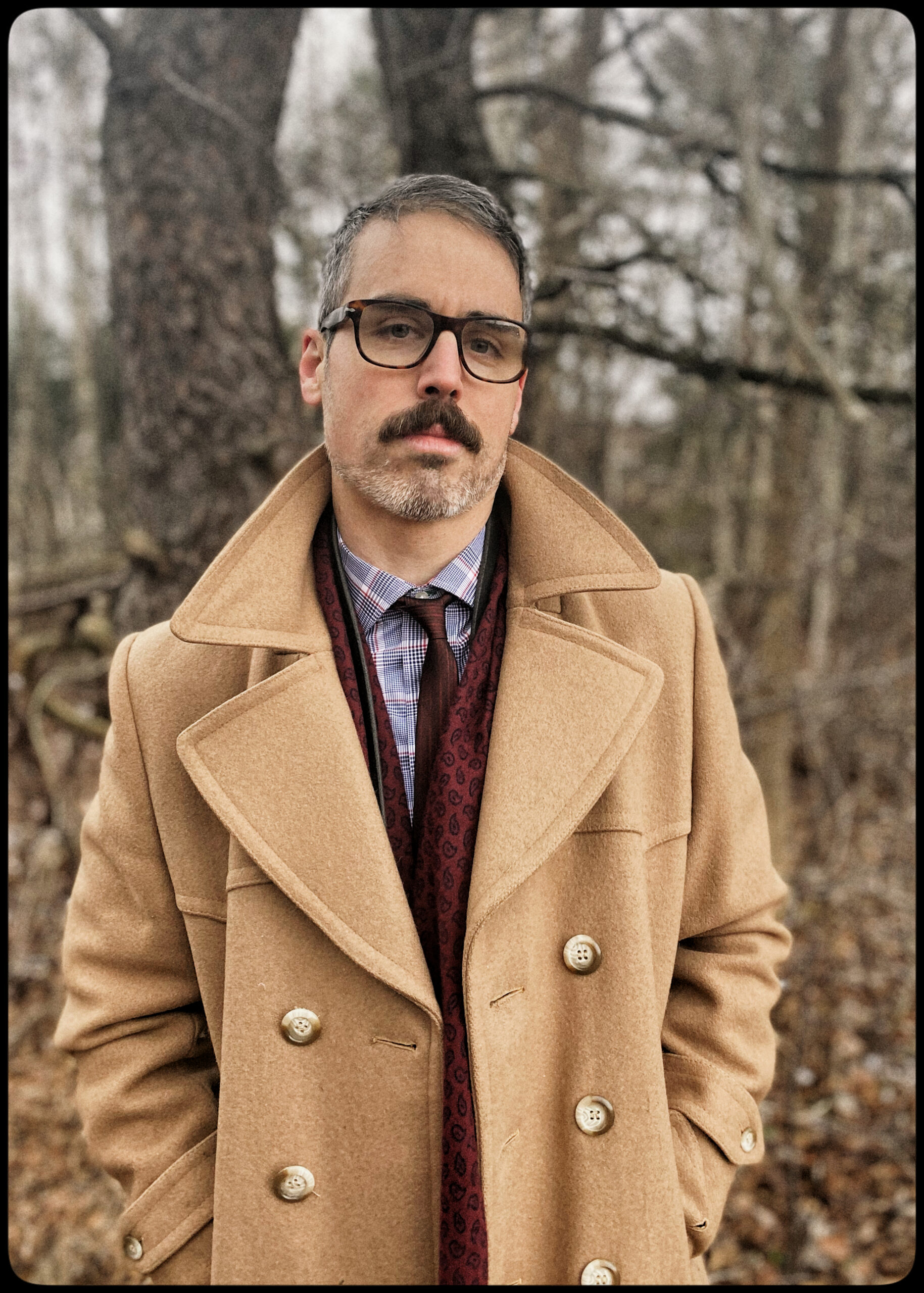
Robert Paquette is a Sudbury-based photographer and accessibility advocate whose work explores visibility, disability, and creative resilience. Through his art and advocacy, he aims to help others see difference as a source of depth, not division.
“That’s why accessibility isn’t just about accommodation — it’s about equity.”